
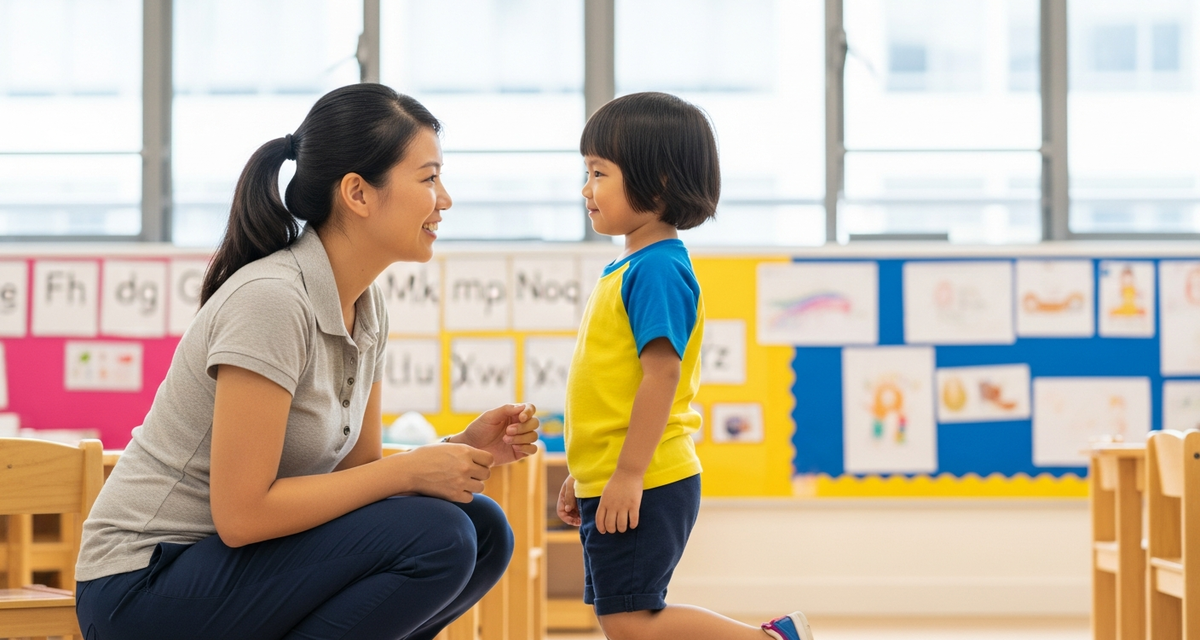

Shyness Is a Starting Point, Not a Ceiling
Many of the most effective public speakers — adults who command rooms effortlessly — describe themselves as naturally introverted or shy. Shyness is a temperament trait, not a destiny. What separates children who overcome it from those who don't is rarely raw ability; it's the quality of the support they received along the way.
At School of Confidence, we work with hundreds of shy children each year. The patterns we observe are consistent: with the right environment, the right approach, and patient support, virtually every shy child can become a capable, confident communicator.
What Experienced Coaches Do Differently
The most important thing a trained communication coach provides is a structured, predictable environment. Shy children thrive on knowing exactly what's expected of them. When the format is clear — "You'll have 90 seconds to tell us about your favourite place, then we'll ask you one question" — the uncertainty that triggers social anxiety is dramatically reduced.
Coaches also use gradual exposure deliberately: whispering a response to one trusted peer before sharing with two, then four, then the whole group. Each step is small enough to succeed at, but meaningful enough to build genuine competence. This scaffolded approach — structured, predictable, progressively challenging — is the core of our public speaking programme.
The Most Common Mistakes Parents Make
Forcing public speaking before the child is ready. Pushing a shy child onto a stage or into a presentation before they have even the most basic tools creates traumatic associations that can take years to undo. Build in graduated steps; never skip to the highest-stakes scenario.
Comparing them to confident siblings or peers. Comparison is corrosive. A shy child who hears "Why can't you be more like your brother?" learns that their natural temperament is a defect, not just a starting point. This directly undermines the self-belief that confidence requires.
Labelling them as "shy." When "shy" becomes an identity — introduced to every relative and teacher at every meeting — children internalise it as fixed. Instead of "She's shy," try "She takes a little time to warm up, and once she does, she has so much to say."
The Long-View Approach: What Consistent Support Looks Like
Building confidence in a shy child is a 6–18 month commitment, not a 6-week fix. The arc looks like this: weeks 1–4 are about comfort and safety (very low stakes, lots of wins); months 2–4 introduce progressive challenge (slightly larger groups, slightly longer responses); months 5 onwards focus on real-world application (classroom participation, family presentations, structured programmes).
Our workshops and holiday camps are particularly valuable mid-way through this arc — they provide an intensive, expert-facilitated experience that accelerates the middle phase. Many parents report visible breakthrough moments during camp that then carry forward into the school term.
Daily Habits That Compound Over Time
The most impactful changes happen between formal sessions, not during them. Create low-stakes daily speaking opportunities: have your child order their own food at a restaurant, ask a shop assistant for help, or explain their day to a grandparent. These real-world micro-exposures build a bank of successful speaking experiences that the shy child can draw on when higher-stakes moments arrive.
At home, use structured dinner-table conversation: each family member shares one interesting thing from their day. This models speaking confidence and creates a safe, predictable speaking context that shy children can anchor to.
When to Seek Structured Support
If your child's shyness is significantly limiting their participation in school (refusing to answer questions, avoiding group work, being distressed before presentations), structured coaching intervention is warranted. A specialist programme provides what home practice cannot: expert feedback, peer learning, and a safe environment specifically designed for children who find speaking challenging.
School of Confidence coaches are trained to work with shy and anxious children. Our standard public speaking classes have a maximum of 6 students, and our carefully structured progression means your child is never pushed beyond what they're ready for — only gently, consistently stretched.
Singapore-Specific Contexts That Build Confidence in Shy Children
Singapore's enrichment landscape offers shy children a unique advantage: the ability to choose a safe, structured speaking environment before the higher stakes of school assessments arrive. Parents who enrol shy children in communication programmes before Primary 3 — before PSLE preparation cycles begin — give them the runway to build genuine confidence without time pressure. The earlier the start, the less catching up is required, and the more of the school journey your child spends approaching speaking with ease rather than dread.
Low-stakes real-world speaking opportunities are abundant in Singapore's everyday environment: ordering at a hawker centre, asking a librarian for a book recommendation, speaking to a cashier at a supermarket, or telling a bus driver the stop they need. Building a deliberate "micro-exposure" habit around these daily moments creates a constant drip of successful speaking experiences. Over months, these small moments compound into a fundamentally different relationship with speaking — one built on accumulated evidence of capability rather than a vague, anxious fear of what might go wrong. Our holiday camp formats create the peer community and concentrated practice that accelerates this transformation for children who need a more structured starting point.