
What Makes a Confidence Workshop Different from General Enrichment
Singapore's enrichment landscape is vast and varied. Most programmes focus on academic skills — mathematics, science, English — or specific hobby development like music, art, or sports. Confidence-building workshops occupy a different category entirely: they address the underlying psychological and communicative foundation from which all other skills are expressed.
A child who is academically capable but confidence-limited performs below their actual level in assessments, social situations, and opportunities that require them to speak up, take initiative, or handle pressure. A confidence-building programme addresses this gap directly — not by adding more knowledge, but by developing the ability to express and deploy what's already there.
What a Quality Confidence Workshop Covers
A well-designed confidence workshop for students includes: self-awareness activities (understanding your own communication patterns and anxiety triggers), communication skills practice (presenting, storytelling, structured debate), peer feedback (giving and receiving specific, constructive input), mindset tools (growth mindset principles, reframing failure), and practical application (real-time speaking in varied formats and contexts).
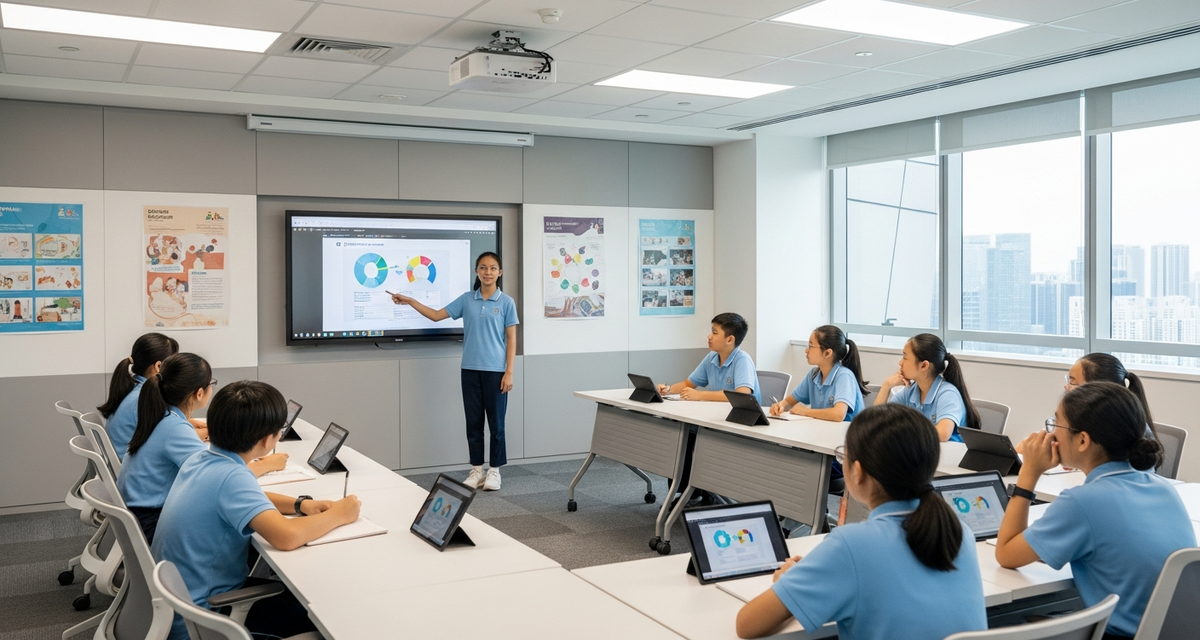
The best workshops are small-group (ideally 6–10 participants) and highly interactive. Every student should speak multiple times in every session — not observe one student performing while others wait.
School-Based vs Public Workshops
School-based confidence programmes (like our school client programmes) integrate into the existing school community, reach students who would not access external enrichment, and allow trainers to observe students in their authentic school context. Public workshops (like our open workshops and holiday camps) bring students together from different schools, creating the valuable "peer safety" of a group where everyone is new and equally unknown.
Both formats have genuine merit. School programmes are ideal for institutions seeking to improve student-wide communication confidence. Public workshops are ideal for parents seeking targeted development for their individual child in a peer group context outside school.
Age-Appropriate Workshop Content
For primary school students (ages 5–12): confidence workshops should focus heavily on voice, expression, storytelling, and play-based speaking activities. The tone should be joyful and low-pressure. Feedback should be overwhelmingly positive with very gentle development suggestions. For secondary school students (ages 13–17): workshops can address more complex skills — argument structure, debate, interview simulation, and managing visible anxiety under assessment conditions.
Outcomes to Expect — and When to Expect Them
After a single workshop day: heightened awareness of communication habits, 1–2 specific new tools (a breathing technique, a speech structure framework), and an initial boost of enthusiasm from successful experiences in a safe environment. After a multi-week programme: more consistent application of skills in school and family settings, reduced pre-speaking anxiety, and measurable improvement in specific domains like eye contact, volume, or speech structure.
Lasting confidence change — speaking up spontaneously in class, volunteering for presentations, handling unexpected questions without freezing — typically develops over 2–4 months of consistent engagement, including home practice reinforcing programme content. Our ongoing programme and holiday camps are designed to deliver exactly these outcomes.
How to Tell If a Workshop Has Actually Worked
The most reliable indicators of workshop impact are not the child's own enthusiasm immediately afterwards — which is often high but fades — but observable changes in behaviour over the following two to four weeks. Look for: does your child now volunteer for speaking tasks they would previously have avoided? Do they approach a presentation assignment with planning rather than dread? Do they make more eye contact in conversation? Do they refer to the skills or frameworks they learned when speaking? These four signals are the real measure.
Parents who check in weekly with a simple question — "What speaking moment are you most proud of from this week?" — maintain the child's focus on communication development between sessions and between programmes. This simple accountability loop, repeated consistently over months, is one of the most effective ways to consolidate workshop gains and sustain the trajectory of growth. Our progress tracker provides a structured framework for this kind of ongoing observation. Families who combine structured workshop attendance with this kind of consistent home reinforcement consistently see stronger and more durable confidence gains than those who attend workshops in isolation — because the workshop plants the seed, while the home environment determines whether that seed grows or fades. Contact us to learn more about our upcoming workshops and how to prepare your child to make the most of the experience.